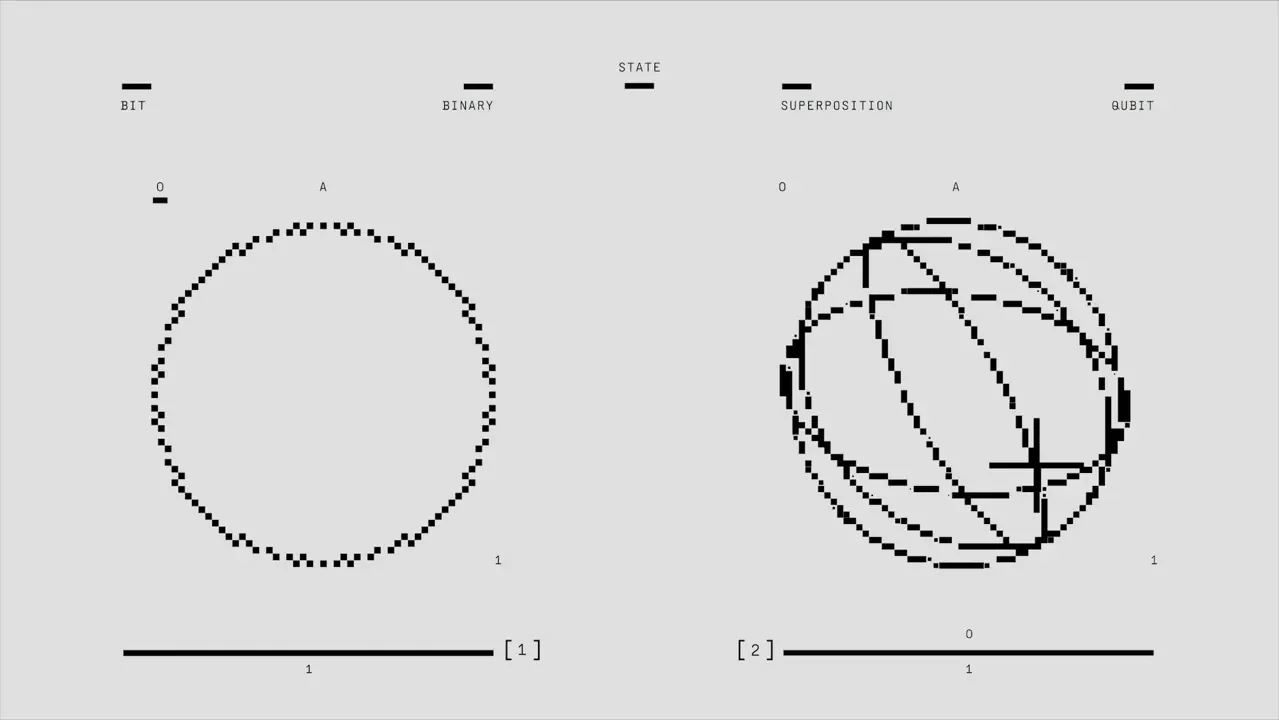
Quantum Computing's March: What Developers Need to Know in 2026
Provide an update on the state of quantum computing by April 2026, focusing on advancements relevant to mainstream developers and potential enterprise applications. Explain key con
Provide an update on the state of quantum computing by April 2026, focusing on advancements relevant to mainstream developers and potential enterprise applications. Explain key con
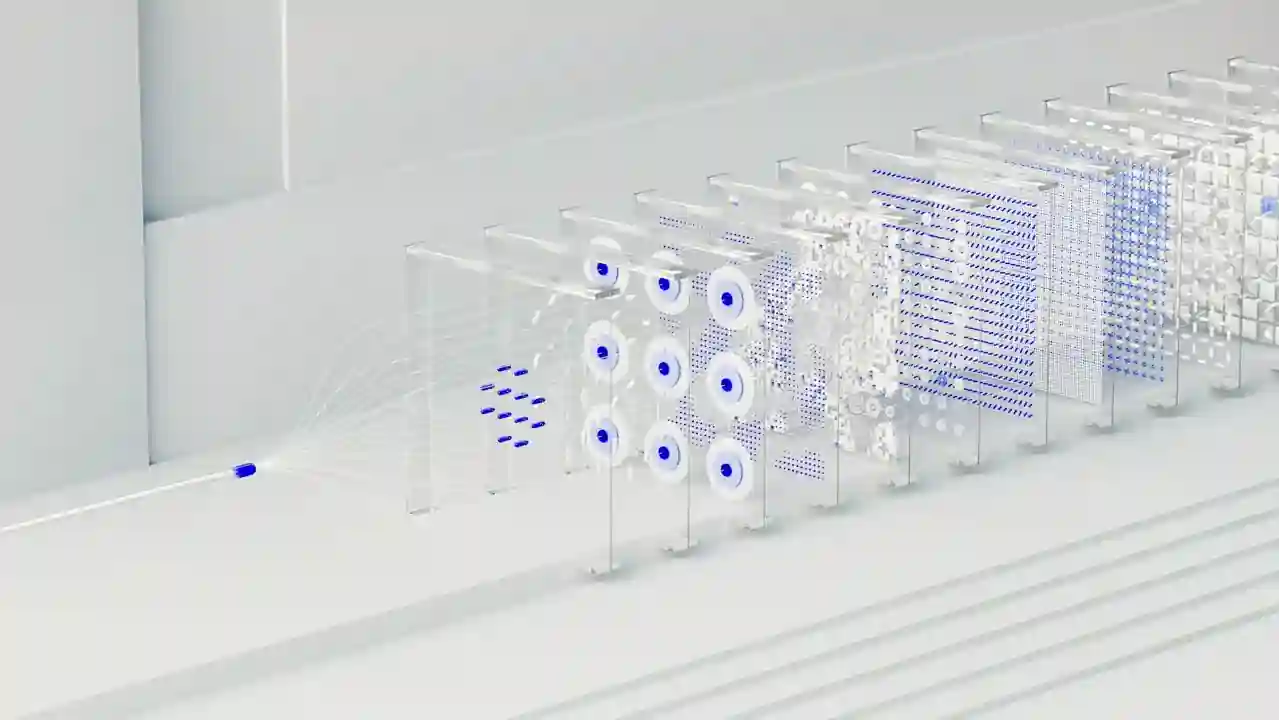
Delve into the advanced techniques and best practices for fine-tuning Generative AI models (like Gemini, GPT, Claude variants) for specific enterprise use cases by 2026. Discuss st

Explore the principles and best practices of Platform Engineering, a burgeoning discipline by 2026, focused on building 'golden paths' for developers. Discuss how platform teams en

Discuss the widespread adoption and evolution of the SASE (Secure Access Service Edge) model in cloud networking by 2026. Explain how SASE converges networking and security functio

Explore the seamless integration of advanced AI assistants like Gemini and Copilot within VSCode by 2026. Detail how these tools have transformed the developer experience, from cod